
The process of growing cannabis can be intimidating for new or prospective growers. It typically involves precise administrations of fertilizers at the right intervals, as well as the nuances of pest control and maintaining a healthy growing medium. With so many factors to manage, cultivating cannabis can sometimes feel more clinical than enjoyable.
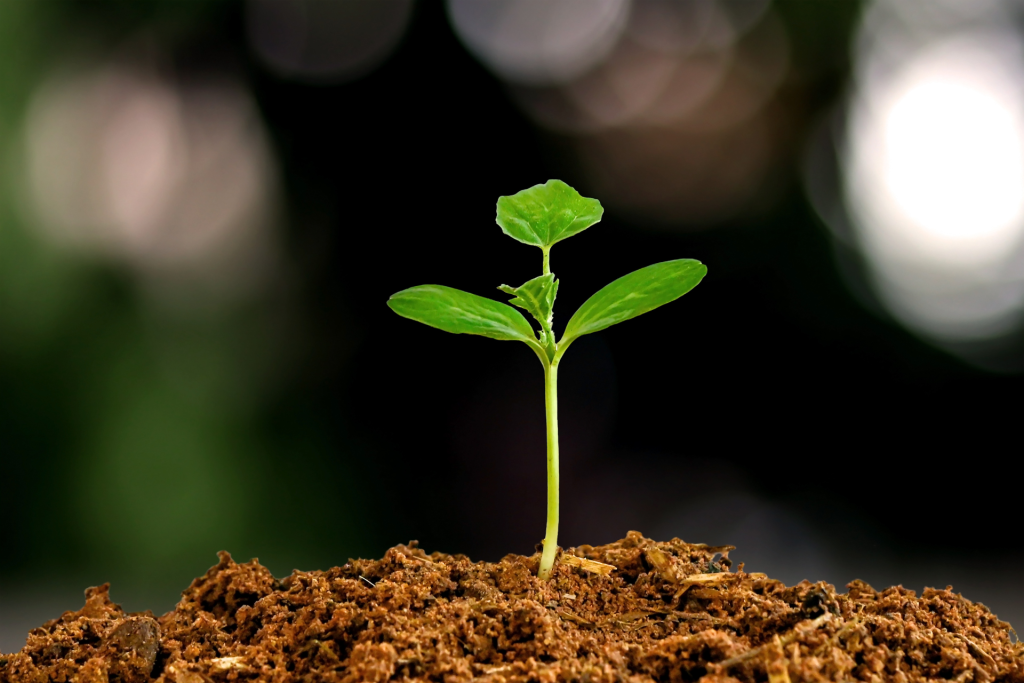
However, there’s a growing trend in organic gardening that emphasizes curating optimal conditions and letting Mother Nature do the heavy lifting. This method, known as living soil or “no-till” gardening, utilizes microbes and other organisms to create a sustainable soil ecosystem capable of producing healthy cannabis year after year without the need for regular fertilizer additions or soil replacement.
This article reviews the practice of using living soil for cannabis, examines the pros and cons of no-till gardening, and explains how to make living soil at home.
What is Living Soil?
Living soil is a type of soil enriched with microbial life such as fungi and bacteria, along with larger organisms like nematodes, worms, and insects. It mimics natural ecosystems, such as those found in forests, prairies, and wetlands, where processes like nutrient synthesis, aeration, water retention, and pest control occur naturally.
Unlike conventional soils that rely on fertilizers for nutrients, living soil derives its nutrients from decomposing organic material such as fallen leaves, decaying organisms, and castings (animal waste). Bacteria in the soil break down this organic matter into nutrients that plants can absorb. When the soil remains undisturbed (not tilled), mycorrhizal fungi form symbiotic relationships with plant roots, extending the root system’s reach and protecting it from pathogens.

Larger organisms like earthworms contribute by consuming organic material and producing nutrient-rich castings. Worms also aerate the soil as they move, creating pathways for oxygen to reach plant roots. Many cannabis-specific living soils include predatory nematodes, which help control pests like fungus gnats by eating their larvae.
In nature, this system is self-sustaining as organic material continuously replenishes the soil. In a home grow environment, compost, trimmings, or yard waste may need to be added to maintain the soil’s health.
How to Make Living Soil
Living soil is designed for reuse over multiple growing cycles, unlike single-use potting soil. Creating living soil involves establishing a small ecosystem that sustains itself over time. While not an exact science, certain fundamental components are essential:
Minerals
Soil consists of minerals combined with humus (organic material). Mineral particles fall into three categories: clay, sand, and silt. A balanced combination of these results in a loose, loamy soil that supports root growth and fungal activity.
Organic Material
Organic material provides food for the organisms in living soil. Common examples include leaf litter, yard waste, manure, kitchen scraps, or compost. Microorganisms break down this material into nutrients that plants can absorb.
Microorganisms
Microbial life is the backbone of living soil. These organisms decompose organic material into plant-available nutrients. Compost or compost tea is a reliable way to introduce beneficial microorganisms. Commercial microbial packs and prepared living soils are also available for purchase, but even a small amount of compost from a healthy garden can jump-start microbial activity.
Water
Water is essential to both plants and the organisms in living soil. The humus in living soil—including worm castings and decaying material—retains moisture effectively, so watering requirements may decrease over time. Adding porous materials like vermiculite can further improve water retention.
Air
Aeration is crucial for plant roots and microorganisms. Plants absorb oxygen through their roots, and worms naturally aerate the soil as they move. If worms are not used, ensure the soil has good texture and is not compacted by heavy clay.
Benefits of Living Soil for Cannabis
- Sustainability: Living soil eliminates the need for synthetic fertilizers, reducing waste and environmental impact.
- Pest Control: Predatory organisms like nematodes help manage pests naturally.
- Nutrient Cycling: Microbial life ensures a continuous supply of nutrients without the need for additional inputs.
- Improved Soil Structure: Earthworms and organic material maintain soil aeration and water retention.
- Natural Growth Conditions: Living soil closely mimics the conditions cannabis plants would experience in the wild.
Challenges of Living Soil
- Lower Yields: While living soil promotes organic integrity, it may not produce the same high yields as hydroponics or fertilized soils.
- Upfront Effort: Setting up and maintaining living soil requires time and knowledge.
- Slow Response: Nutrient deficiencies take longer to address compared to quick-fix fertilizers.
Frequently Asked Questions
Is Living Soil Good for Cannabis?
Yes. Living soil supports sustainable nutrient cycling and pest control, making it an excellent choice for cannabis cultivation.
How Do You Grow Organic Living Soil?
Introduce microbial life through compost or compost tea, and add organic material like yard waste or kitchen scraps to maintain nutrient cycling.
Do You Fertilize Living Soil?
No. Living soil generates its own nutrients, though additional organic material may be needed. Avoid synthetic fertilizers, as they can harm microbial life.
Can You Use Living Soil Outside?
Yes. Outdoor soil is often naturally living soil, but it can be enhanced with compost and organic amendments for better results.