
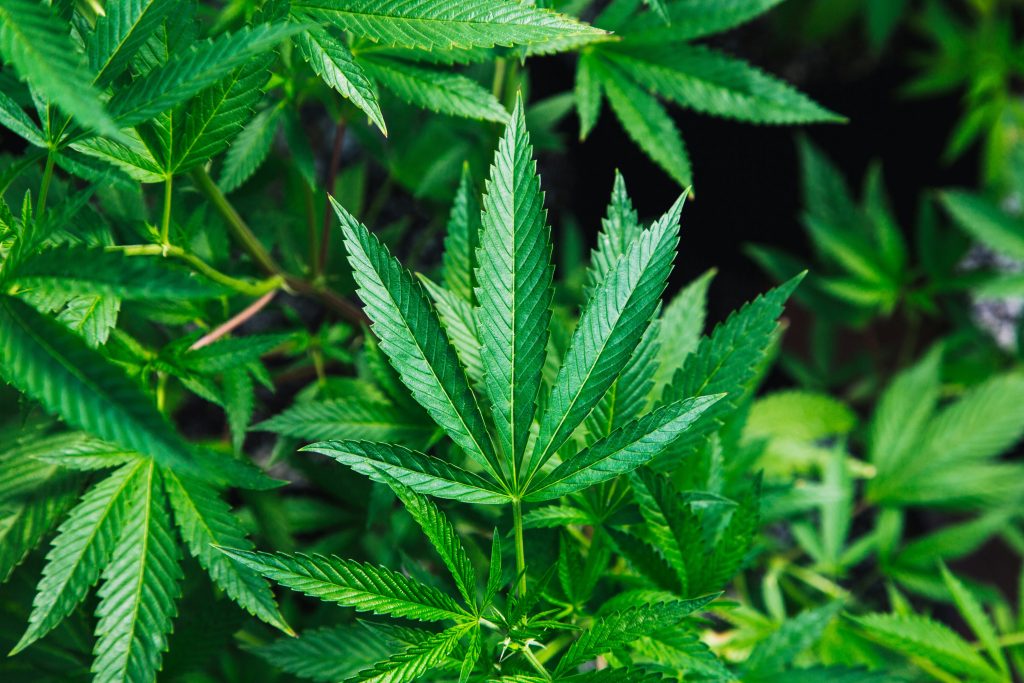
Cannabis growers, like all gardeners, must remain vigilant against pests, prioritizing prevention whenever possible. Among the many nuisances that can plague a cannabis crop, few are as problematic as thrips. These tiny, persistent insects can silently wreak havoc, feeding and breeding for weeks before their presence becomes apparent. If left unchecked, a small number of thrips can rapidly balloon into a full-blown infestation. Dealing with these pests requires diligence and effective strategies.
In this guide, we’ll explore what thrips are, how to identify them, methods for eradicating them, and strategies for ensuring they don’t return.
What Are Thrips?
Thrips are small insects, typically measuring about 1mm in length. Some species have wings and can fly, while others cannot. These pests feed on plants by piercing the surface of leaves or stems to extract sap, much like tiny plant vampires. Beyond their direct damage, thrips can also transmit various plant diseases, making them doubly harmful.
With over 4,000 identified species, thrips commonly appear black or brown. However, cannabis plants often attract western flower thrips, which are orange or yellow. Their larvae are lighter green. Outdoor cannabis growers may experience fewer thrip issues due to natural predators and environmental conditions, but indoor growers, particularly those using greenhouses, face a higher risk. The controlled climate of indoor setups creates an ideal environment for thrips to thrive.
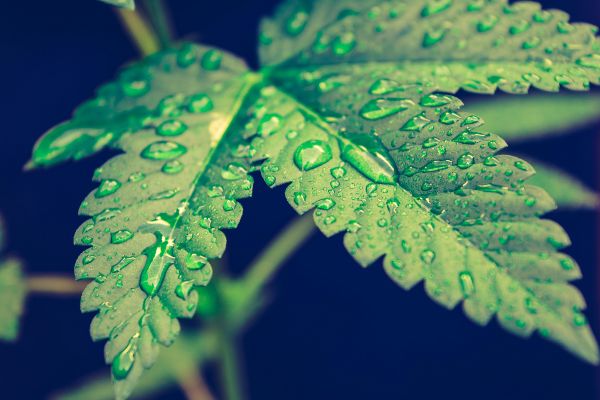
Thrips have a short life cycle, typically lasting about 45 days. However, within this period, a single female can lay up to 80 eggs. These eggs, embedded in leaf tissue, are shielded from predators, temperature extremes, and many pesticides. Eggs hatch within a week, and the larvae spend another 1-2 weeks feeding inside the plant before maturing. Certain species even pupate in the soil before returning to the plant as adults. Thrips are highly resilient, capable of overwintering in plant material, walls, or even furniture.
Not all thrips are harmful; some species prey on mites, aphids, and other pests. However, in most cases, the best course of action is to eliminate them before they cause damage.
How to Identify Thrips in Cannabis
Thrips are slender, rice-shaped insects that often hide in less obvious places, such as the undersides of leaves or within plant crevices. Unlike more conspicuous pests like spider mites or aphids, thrips are subtle, and their damage often becomes evident before the insects themselves are spotted.
Signs of Thrip Damage:
- Discolored Patches: Yellow or white spots on leaves where sap has been drained.
- White Streaks: Linear feeding marks along leaves or stems (distinct from the winding trails left by leaf miners).
- Leaf Texture Changes: Affected leaves may become brittle, thin, and papery.
- Droppings: Tiny black dots resembling pinpricks are thrip excrement.
- Galls: In severe infestations, wart-like growths may form where thrips nest.
For a closer inspection, use a magnifying glass to examine leaves. Alternatively, tap a suspected leaf over a white surface; thrips will appear as tiny, dark, rice-like specks.
How to Get Rid of Thrips in Cannabis
Thrips are notoriously difficult to control due to their ability to develop resistance to pesticides. Nevertheless, several effective solutions exist:
Insecticidal Soaps
Products like Safer Soap are a reliable choice. These soaps penetrate the insect’s cellular walls, causing death by desiccation. While effective, insecticidal soaps kill both harmful and beneficial insects, so use them carefully.
Application Tips:
- Thoroughly saturate the plant, ensuring the soap reaches every crevice
- Repeat applications regularly, as the soap’s effects diminish once it dries
- Safe for use around children, pets, and up to the day before harvest. Rinse harvested plants to remove any residue
Neem Oil
Neem oil is another organic option. Though it has faced scrutiny regarding its potential link to Cannabinoid Hyperemesis Syndrome, recent studies have not substantiated these claims. Neem oil remains a popular, safe solution for organic gardeners.
Pyrethrin Sprays
Derived from chrysanthemums, pyrethrin is a powerful natural insecticide that kills thrips on contact. Like insecticidal soaps, it breaks down quickly and leaves no harmful residue, but requires repeated applications for ongoing effectiveness.
Preventative Measures
- Diatomaceous Earth (DE): This natural powder dehydrates and damages the exoskeletons of insects. While effective, DE also harms beneficial insects, so apply it judiciously
- Kaolin Clay: This safe, human-friendly substance forms a protective barrier on leaves, discouraging pests from feeding
- Sticky Traps: Yellow flypaper traps can catch thrips and serve as an early warning system
How to Prevent Thrips in Cannabis
The best defense against thrips is a proactive approach to prevention:
- Maintain a Clean Grow Area: Regularly remove plant debris, trim dead leaves, and clean surfaces to eliminate hiding spots
- Inspect New Plants: Carefully examine any new plants or cuttings for signs of pests before introducing them to your grow area
- Limit Outdoor Contamination: Change clothing after spending time outdoors before entering your grow space
- Use Preventative Barriers: Dust leaves with DE or kaolin clay, focusing on the undersides where thrips typically congregate
- Monitor with Traps: Place sticky traps near plants to catch pests early
Frequently Asked Questions
How do I get rid of thrips?
Thrips can be managed with insecticidal soaps, neem oil, pyrethrin, or spinosad. Saturate plants thoroughly and repeat applications weekly to target all life stages.
What damage do thrips cause to cannabis plants?
Thrips drain nutrients from leaves, stunting growth and potentially killing plants if left untreated. They can also transmit diseases.
Can I use Spinosad on cannabis buds?
While Spinosad is an organic pesticide, it’s banned in several regions for cannabis use due to safety concerns when smoked. Insecticidal soaps are a safer alternative.
By staying vigilant and employing the methods outlined above, cannabis growers can effectively manage thrips, ensuring a healthy and productive harvest. For more information on pest management and cultivation best practices, consult reliable resources or local agricultural extensions.