
Growing cannabis, whether indoors or outdoors, requires careful planning and the right tools to ensure success. From selecting the perfect grow space to choosing the best equipment, new and experienced growers alike must make important decisions to cultivate healthy plants. In this guide, we’ll cover the essential supplies needed to grow cannabis and help you build an efficient setup.
Grow Room or Area
Before planting your first seed, it’s essential to choose and prepare the grow environment. Local regulations may dictate that grow operations must be out of public view or secured under lock and key, so consult your local laws before proceeding.
Indoor Grow Area
A suitable indoor grow area should be clean and easy to sanitize. Grow tents are a popular choice because they offer a self-contained environment, making them simpler to maintain than a dedicated room. Ensure your chosen space has access to electricity for lighting and ventilation. Adequate space is also necessary to allow easy access to plants for regular maintenance and inspection.
Outdoor Grow Area
Outdoor growers benefit from natural sunlight but must evaluate their climate for weather-related risks. Position plants in areas that receive maximum sunlight while considering the sun’s shifting position over the grow cycle.
Grow Lights
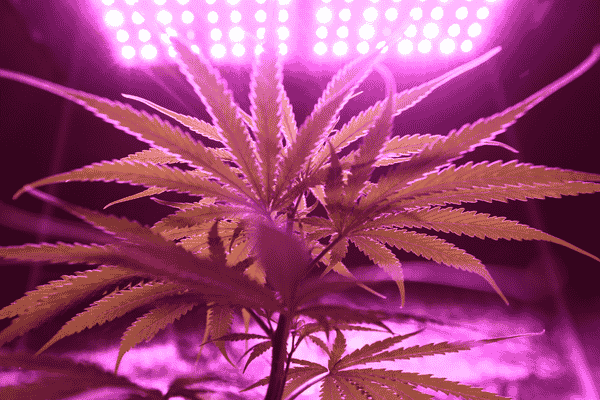
Indoor grows require dedicated lighting, and the choice of light depends on factors such as energy consumption, efficiency, and light spectrum. Here are the primary options:
High-Intensity Discharge Bulbs (HIDs)
HIDs, once a standard in professional grows, offer bright, penetrating light ideal for producing dense colas. However, they generate significant heat and often require separate ballasts for operation. Additionally, HIDs need two types of bulbs: metal halide for the vegetative phase and high-pressure sodium for flowering.
LEDs (Light-Emitting Diodes)
LEDs are the most popular choice for home growers due to their convenience and energy efficiency. These lights run cooler than HIDs and often feature full-spectrum lighting that can switch between vegetative and flowering phases with ease.
Fluorescent Bulbs
Fluorescent lights, such as CFLs and T5 systems, provide a full spectrum of light but lack penetration power, making them less suitable for mature plants. However, their gentle light is ideal for seedlings and clones.
Grow Medium
The grow medium serves as the foundation for your plants. Beginners often prefer soil for its ease of use, while hydroponic systems offer precise control for more experienced growers.
Soil
Soil is a nutrient-rich, living medium containing beneficial microorganisms and organic matter. Its stable pH and excellent aeration make it forgiving for new growers.
Rockwool
Rockwool is a hydroponic medium made by spinning molten rock into fibers. It’s commonly used for seedlings or in net pots within hydro systems. Note that rockwool has a naturally high pH and must be treated before use.
Coconut Coir
Coco coir, made from coconut husks, is another hydroponic option with excellent water retention and aeration. It can also be mixed with soil to improve hydration. Many coco coir products come pre-infused with Trichoderma fungi to protect roots from pathogens, but these fungi may compete with beneficial mycorrhizal fungi.
Nutrients
Cannabis plants require nutrients throughout their lifecycle. Fertilizers typically list an N-P-K ratio, representing nitrogen (N), phosphorus (P), and potassium (K). During the vegetative phase, plants need more nitrogen, while phosphorus is crucial in the flowering stage.
Micronutrients, such as calcium, iron, and manganese, are also essential for plant health and disease resistance. Specialized cannabis nutrients can be purchased online or at gardening stores, but ensure they are compatible with your grow medium.
Ventilation
Proper ventilation is vital for healthy cannabis growth. Ventilation regulates temperature, provides oxygen, and helps deter pests. Indoor growers often use oscillating fans or comprehensive ventilation systems with exhaust fans and filters to minimize odor.
Be mindful of direct airflow onto plants to avoid wind burn, which can curl and damage leaves. If using fans, rotate their position periodically to protect the plants.
Cannabis Seeds or Clones
Once your grow area and equipment are ready, you’ll need a source of cannabis plants. Seeds are widely available online, while clones may be more challenging to obtain due to legal restrictions.
Seeds
- Photoperiod Seeds: These seeds grow based on light cycles, requiring bright light for the vegetative stage and reduced light to trigger flowering. Photoperiod plants are typically feminized to ensure they produce the flowers rich in cannabinoids.
- Autoflowering Seeds: Autoflower plants switch from vegetative to flowering based on time rather than light. They’re ideal for beginners or small spaces, though yields may be smaller than photoperiod plants.
Clones
Clones are cuttings from mature plants that grow into genetically identical copies of the parent. While convenient, they are harder to source due to legal constraints.
Additional Cultivation Supplies
To maximize success, consider the following tools:
- Thermometers and Hygrometers: Track temperature and humidity levels.
- pH Meters: Essential for hydroponic setups to monitor water pH.
- Pruning Shears: For trimming plants during maintenance and harvest.
- Gardening Tools: Trowels and forks for working with soil-based grows.
Growing cannabis can be a rewarding experience with the right preparation and tools. By investing in the essentials and tailoring your setup to your needs, you’ll be well on your way to cultivating healthy, productive plants.