

You’ve probably heard the phrase: “This isn’t your grandmother’s weed.” In some ways, that’s absolutely true. Before widespread legalization, cannabis consumers were often limited to low-quality, illicit-market marijuana, commonly referred to as brick weed, or homemade pot brownies.
Today’s cannabis market is a far cry from that. Modern consumers have access to a wide range of high-quality products, including cannabis concentrates, potent extracts that deliver powerful effects. According to market research by Grand View Research, the global cannabis extract market is projected to reach a staggering $28.5 billion by 2027, fueled by growing demand for innovative products.
While traditional concentrates typically focus on extracting a single cannabinoid—most often THC or CBD—a newer category known as full spectrum concentrates aims to capture the complete chemical profile of the cannabis plant, offering a potentially more balanced and therapeutic experience.
But what exactly are full spectrum concentrates, and how do they differ from their ultra-potent counterparts? Let’s break it down.
What Are Full Spectrum Concentrates?
The cannabis plant contains more than 100 cannabinoids, along with terpenes, flavonoids, phenols, esters, and proteins. These compounds work together in what’s known as the entourage effect, which suggests that the plant’s therapeutic benefits are more effective when its compounds remain intact rather than isolated.
Most traditional cannabis concentrates like distillate focus on a single cannabinoid—typically THC, the compound responsible for the plant’s psychoactive effects. While these concentrates are incredibly potent (sometimes containing up to 98% THC), they leave out other beneficial compounds like terpenes and flavonoids.
Full spectrum concentrates, on the other hand, aim to retain the plant’s complete chemical profile, capturing not just THC or CBD but also terpenes, flavonoids, and other compounds. The goal is to provide a more balanced, holistic experience, delivering a broader range of potential therapeutic benefits.
Benefits of Full Spectrum Concentrates
Full spectrum concentrates offer more than just a potent high—they provide access to a wide range of therapeutic compounds, each with its own unique effects.
The Entourage Effect
The entourage effect suggests that cannabinoids and terpenes work together synergistically, enhancing each other’s effects. For example, adding terpenes to THC may help modulate its psychoactive effects, creating a more balanced experience.
Preserving Delicate Terpenes and Flavonoids
Many traditional extraction methods strip away delicate compounds like terpenes and flavonoids. Full spectrum concentrates aim to preserve these compounds, which are believed to offer:
- Antioxidant and anti-inflammatory properties
- Neuroprotective effects
- Pain relief
- Mood enhancement
For example, flavonoids are phytonutrients that protect cells from oxidative damage and may help reduce the risk of chronic conditions like diabetes, cancer, and cognitive diseases.
Balanced Therapeutic Potential
Full spectrum CBD concentrates may contain trace amounts of THC, which could enhance the therapeutic effects of CBD. This makes full spectrum extracts particularly appealing for those seeking relief from:
- Chronic pain
- Anxiety and depression
- Inflammation
- Sleep disorders
How to Identify Full Spectrum Products
The challenge with full spectrum concentrates is that there are no strict regulations defining what constitutes a full spectrum extract. To ensure you’re getting a true full spectrum product, follow these tips:
- Read the Label Carefully: Look for products that contain multiple cannabinoids and terpenes, not just THC or CBD. The product label or lab report should list a wide range of compounds.
- Look for Full Spectrum Descriptors: Some product types are more likely to be full spectrum, including:
- Live Resin and Rosin: Known for preserving the plant’s terpene profile.
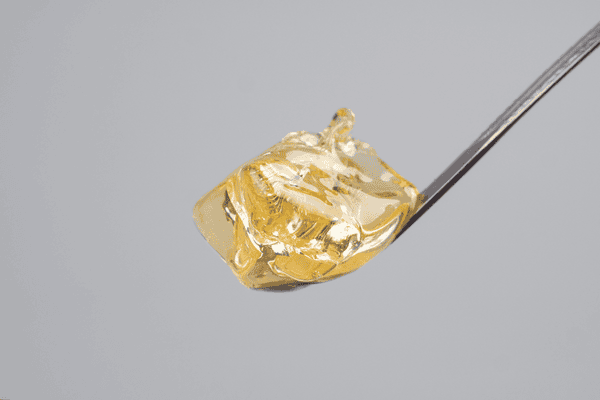
- High-Terpene Full Spectrum Extract (HTFSE): A concentrate with high terpene content and multiple cannabinoids.
- High-Cannabinoid Full Spectrum Extract (HCFSE): Focuses on retaining a variety of cannabinoids while keeping terpenes intact.
- Request Lab Test Results: Ask for third-party lab results to confirm the presence of multiple cannabinoids and terpenes. This is the best way to verify the product’s full spectrum status.
Conclusion: Are Full Spectrum Concentrates Right for You?
So, are full spectrum concentrates like rosin and live resin better than traditional high-THC products like live resin? The answer depends on your personal preferences and desired effects.
If you’re simply looking for a potent high, a traditional THC concentrate will do just fine. However, if you want a more balanced and therapeutic experience, full spectrum concentrates may be a better option. By retaining a broader range of the plant’s natural compounds, full spectrum products offer a richer, more complete experience that many consumers find more enjoyable and effective.
Ultimately, the choice is yours. Whether you’re after pure potency or holistic benefits, the diversity of cannabis concentrates ensures there’s something for everyone.
Frequently Asked Questions
What Does Full Spectrum Mean in Cannabis?
Full spectrum refers to products that retain the complete chemical profile of the cannabis plant, including cannabinoids, terpenes, flavonoids, and other beneficial compounds.
What’s the Difference Between Full Spectrum and Isolate?
Full spectrum products contain a wide range of cannabinoids and terpenes, while isolates focus on a single compound (like pure THC or CBD).
Are Full Spectrum Concentrates Stronger?
Not necessarily in terms of pure THC content, but full spectrum concentrates offer a more balanced experience due to the presence of other cannabinoids and terpenes.