
Cannabis has many well-documented benefits—but unfortunately, helping you pass a drug test isn’t one of them. One of the most frequently asked questions we get is, “How can I flush marijuana out of my system?” The short answer: it starts with understanding how THC works in the body and following a structured marijuana detox plan.
What Is a Marijuana Detox—and Why Is It Important?
Many people seek to remove THC from their system due to an upcoming drug test, typically for employment screening. To detox from marijuana, you’ll need to understand how long THC stays in your body, the kind of test being administered, and your own consumption habits.
Drug tests primarily look for THC metabolites—specifically, THC-COOH—rather than THC itself. These metabolites are stored in fat cells and can remain in the body for weeks after your last cannabis use. Detoxing helps eliminate these remnants from your system.
Learn more about THC metabolism here
Key Factors That Affect How Long THC Stays in Your System
When it comes to cannabis detox, there’s no universal timeline for how quickly THC leaves the body. While some people may test clean within days, others—especially regular or heavy users—might need weeks or even months to fully eliminate THC metabolites from their system. That’s because tetrahydrocannabinol (THC) interacts uniquely with each person’s body based on a variety of physiological and behavioral factors.
Understanding these variables is essential for accurately estimating your detox timeline and selecting the right method to pass a marijuana drug test.
1. Frequency and Duration of Cannabis Use
How often you consume cannabis is the single biggest factor affecting how long THC lingers in your system.
- Occasional Users (once a week or less): May test clean in 1–7 days.
- Moderate Users (2–4 times a week): Can expect THC to remain for 10–21 days.
- Heavy Users (daily or multiple times per day): Could take 30–60+ days to fully detox.
Long-term, heavy cannabis use causes THC and its byproducts to accumulate and saturate fat tissues, which extend the body’s elimination period. Chronic users may also experience a slower decline in THC levels over time, making complete detoxification a longer process.
2. Body Fat Percentage (BMI)
THC is lipophilic, meaning it binds to fat cells in the body. This makes body fat percentage (or Body Mass Index) a key variable in how long cannabis stays detectable.
- Individuals with higher body fat tend to store THC metabolites longer.
- Those with leaner physiques generally eliminate THC more quickly.
Since the stored THC is slowly released from fat cells back into the bloodstream, even someone who has stopped using cannabis can continue to test positive weeks later.
3. Metabolism and Overall Health
Your basal metabolic rate (BMR) affects how efficiently your body processes and eliminates toxins, including THC. A faster metabolism typically means:
- More frequent fat cell turnover
- Faster liver and kidney detoxification
- Quicker elimination of THC metabolites
Factors that contribute to a faster metabolism:
- Regular exercise
- Youth and high muscle mass
- Balanced, clean diet
- Staying hydrated
However, even healthy individuals with fast metabolisms may take longer to detox if they are heavy users or have a high BMI.
4. Type of Cannabis Product Consumed
Not all cannabis products affect your system equally. The method of consumption and the potency of the product can significantly influence the amount of THC your body absorbs—and how long it sticks around.
- Inhaled THC (smoking or vaping): Enters the bloodstream quickly but also exits the system faster.
- Ingested THC (edibles, capsules, oils): Metabolized by the liver into 11-hydroxy-THC, a stronger and longer-lasting form, which lingers longer.
- High-THC Concentrates (dabs, shatter, wax): Deliver far higher doses of THC compared to flower, leading to longer detox periods.
- Hemp-derived cannabinoids like Delta-8 and THCV may also metabolize into detectable compounds, depending on the test.

Higher doses and more potent products result in greater THC accumulation—and a longer window of detectability.
5. Hydration and Diet
While not as influential as metabolism or fat content, your hydration level and nutritional habits can indirectly impact how long THC stays in your body:
- Being well-hydrated supports kidney function and helps flush THC metabolites through urine.
- A high-fiber diet promotes bowel movements, aiding the elimination of THC through feces (which accounts for up to 65% of THC excretion).
- Unhealthy diets high in sugar, sodium, and processed foods can slow down metabolism and increase water retention—both of which delay detox.
6. Activity Level and Exercise Habits
Physical activity can help eliminate THC—but timing matters.
- Consistent exercise, especially cardio and strength training, promotes fat burning and metabolic health.
- However, exercising too close to your test date can actually spike THC metabolite levels in your bloodstream as stored THC is released during fat breakdown.
For best results, stop intense workouts 24–48 hours before a drug test while maintaining a clean, healthy lifestyle in the weeks prior.
7. Age and Gender
-
- Younger individuals tend to detox faster due to higher metabolic rates.
- Men, on average, have more muscle mass and lower body fat, which can contribute to quicker THC elimination.
- Women, who generally have a higher body fat percentage, may store THC metabolites longer, although individual results vary widely.
Stronger products like concentrates or high-THC flower contribute more THC to your system than lower-potency strains or edibles.
For an in-depth breakdown, check out this cannabis health study.
How Long Does THC Stay in Your System?
Understanding how long THC stays in your system is essential if you’re preparing for a drug test. The detection window depends on several variables, including the type of test used, frequency of cannabis use, your metabolism, and body fat composition. Unlike substances that flush out quickly, THC is fat-soluble, meaning it binds to the fat cells in your body and gets released slowly over time.
Factors That Influence THC Retention:
- Frequency of Use – The most important factor. Occasional users will typically eliminate THC faster than daily or heavy consumers.
- Dosage and Potency – High-potency products like concentrates or edibles with large doses of THC will stay in your system longer.
- Metabolism and Body Composition – People with higher metabolic rates and lower body fat percentages tend to clear THC faster.
- Hydration and Activity Levels – Staying hydrated and maintaining regular physical activity can assist the detox process, although exercise too close to a test may temporarily increase detectable THC levels in the bloodstream.
Estimated THC Detection Windows by Test Type:
| Test Type | Occasional Users | Regular Users | Heavy/Daily Users |
| Urine | 1–3 days | 7–21 days | 30–60+ days |
| Blood | 6–24 hours | 2–7 days | 7–30+ days |
| Saliva | Up to 24 hours | 1–3 days | 1–7 days |
| Hair Follicle | Not applicable | Up to 90 days | Up to 90+ days |
THC Half-Life: What It Means for Detoxing
THC doesn’t leave your system all at once. Instead, it breaks down into metabolites like THC-COOH, which are gradually eliminated through urine, sweat, and feces. The half-life of THC metabolites is approximately 7 days, meaning that every week, the concentration in your body drops by about 50%, assuming no further cannabis use.
For example:
- After one week, you’ll have roughly half the THC metabolites in your system.
- After two weeks, about 25%.
- Most users can expect to be mostly “clean” within 3–4 weeks, but this can vary greatly depending on the factors mentioned above.
Long-Term Storage in Fat Tissue
Since THC is stored in fat cells, it can remain in your system longer than water-soluble drugs like alcohol or cocaine. That’s why BMI and body composition matter—those with higher fat content tend to store THC longer. Additionally, if you’re actively burning fat (for instance, during cardio exercise), THC may be re-released into your bloodstream temporarily, which could impact drug test results.
Why “Quick Fixes” Rarely Work
There are countless myths around using things like cranberry juice, vinegar, or excessive water to eliminate THC from your body overnight. While some detox products can temporarily mask THC in your system (especially for urine tests), they don’t eliminate it. If you have ample time, your best strategy is to stop using cannabis, stay hydrated, eat well, and give your body time to naturally detox.
Types of Marijuana Drug Tests: What You Need to Know
When preparing for a drug screening, it’s important to know which type of test you’re facing. Each test detects THC or its metabolites in different ways and over different timeframes. Understanding the method used can help you choose the best detox strategy and time your abstinence appropriately.
Here’s a comprehensive look at the most common types of marijuana drug tests:
1. Urine Drug Test (Urinalysis)
Most common and cost-effective method for THC detection
- What it detects: THC-COOH (a metabolite of THC)
- Detection window:
- Occasional use: 1–3 days
- Moderate use: 7–21 days
- Heavy use: 30–60+ days
- Cutoff level: Typically 50 ng/mL
Urinalysis is the standard method used by most employers and government agencies. It doesn’t detect active THC but rather its non-psychoactive byproducts, which are stored in fat cells and eliminated slowly through urine. Because of its wide detection window and low cost, it’s the go-to test for pre-employment and probation screening.
Pro tip: Dilution techniques and detox drinks can help, but be cautious of labs checking for signs of tampering (like low creatinine levels or clear urine).
2. Blood Test
Highly accurate but with a shorter detection window for occasional users
- What it detects: Active THC and THC-COOH
- Detection window:
- Occasional use: 6–24 hours
- Frequent use: 7–30+ days
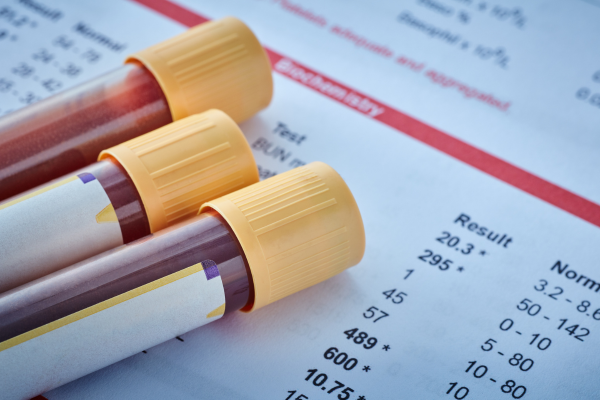
Blood testing is typically used in accident investigations, DUI cases, or impairment testing since it measures active THC in the bloodstream, not just past use. It provides a snapshot of current intoxication levels, making it one of the most reliable (and difficult to beat) test types.
However, THC exits the blood relatively quickly for infrequent users. Regular or chronic users, on the other hand, may test positive for days or even weeks due to the continuous release of THC from fat stores.
Important: There are no effective same-day cleansers for blood tests. Only time, healthy living, and total abstinence will reduce THC presence in your bloodstream.
3. Saliva Test (Oral Fluid Test)
Fast and non-invasive, with a shorter detection window
- What it detects: Active THC (not metabolites)
- Detection window:
- Occasional use: Up to 24 hours
- Regular use: 1–3 days
- Heavy use: Up to 7 days
Saliva testing is becoming increasingly popular in roadside screenings and workplace tests due to its ease of administration and fast results. It detects active THC in the mouth and throat, usually within minutes of cannabis consumption.
This makes it ideal for identifying recent use, but not long-term patterns. Because the test doesn’t identify metabolites like THC-COOH, the detection window is relatively short—making it one of the easiest tests to pass with a short.
Pro tip: Brushing, flossing, using antiseptic mouthwash, or chewing gum can help reduce detectable THC in your saliva.
4. Hair Follicle Test
Detects long-term, habitual cannabis use—very hard to beat
- What it detects: THC-COOH stored in hair follicles
- Detection window:
- All users: Up to 90 days
- Body hair: Up to 12 months (less common)
Hair drug testing is designed to detect chronic or repeated cannabis use over a long period. THC metabolites enter hair follicles through the bloodstream and remain trapped as the hair grows. The standard testing sample is a 1.5-inch strand cut close to the scalp, which represents about three months of potential drug use.
Even if you abstain for a few weeks, if you’ve used cannabis regularly over the past few months, it may still show up.
Important: Shaving your head or body hair may raise red flags, and detox shampoos (like those from TestClear) are one of the only potential solutions—though not foolproof.
5. Specialty Cannabinoid Testing (Delta-8, CBN, THCV, CBG)
Even legal hemp-derived products can lead to failed tests
With the rise of Delta-8 THC, CBN, THCV, and other minor cannabinoids from hemp, many people mistakenly believe they can use these products without consequence. While legal under the 2018 Farm Bill if they contain less than 0.3% Delta-9 THC, these compounds still metabolize into THC-COOH—or similar molecules detectable on traditional drug panels.
Bottom line: Using these “legal highs” can still cause you to test positive for marijuana on a standard UA, blood, saliva, or hair test.
Pro tip: If you’re facing a drug test, it’s safest to avoid all cannabinoid-based products, even hemp-derived ones, unless you’re 100% certain of their contents and how your body reacts.
Each type of marijuana drug test serves a different purpose—some detect recent use, others track habitual patterns. Knowing which test you’re facing gives you a strategic edge and helps you choose the right detox method, timing, and preparation.
If you’re unsure what kind of test is coming, prepare for the most common (urine) and most difficult (hair) scenarios to be safe.
Effective Detox Methods to Pass a Marijuana Drug Test
If you’ve recently consumed cannabis and have an upcoming drug test, you might be wondering how to detox effectively and increase your chances of passing. Whether it’s a urine test, blood test, saliva swab, or hair follicle test, the approach you take can dramatically impact the outcome.
Here’s a detailed look at the best THC detox methods—including natural strategies, commercial detox products, and emergency same-day solutions.
1. Natural THC Detox (4–6 Weeks)
Best for: Those with ample time before testing and lower to moderate levels of cannabis use.
If you’re not in a rush and want to detox marijuana from your system naturally, the most reliable and healthy method is to stop using cannabis and let your body process the THC at its own pace. This approach is ideal for urine tests and blood tests, where metabolite levels need to be minimized over time.
Key components of a successful natural detox:
- Abstinence: Stop consuming THC immediately—this includes flower, edibles, vapes, dabs, and hemp-derived cannabinoids like Delta-8.
- Hydration: Drink at least 6–8 glasses of water daily to support your kidneys and flush out toxins.
- Exercise: Cardio and strength training help burn fat cells where THC is stored.
- Clean Diet: Focus on fruits, vegetables, lean protein, and whole grains. Avoid high-sugar, high-fat, and processed foods.
- Sleep: Quality rest supports liver function and the body’s natural detox processes.
Natural detox is most effective when paired with lifestyle changes that promote metabolic health and fat reduction.
2. Detox Programs and Supplements (3–6 Days)
Best for: Moderate cannabis users with about a week of lead time.
There are numerous THC detox products designed to speed up the body’s natural cleansing process. These typically combine herbal supplements, vitamins, and diuretics to support liver function and urine production. When used properly, they can help users pass a urine or saliva test within a few days.
Common detox kits include:
- TestClear Toxin Rid Program: Comes in 1-day to 10-day versions based on usage level.
- Herbal Clean QCarbo Detox: Offers same-day and multi-day detox drinks.
- Rescue Cleanse: Known for its 5-day detox kits for moderate-to-heavy users.
What to look for in a quality detox product:
- Includes pre-rid tablets to start the detox process early
- Contains vitamin B and creatine to normalize urine color and composition
- Offers a money-back guarantee or real user reviews
3. Same-Day Detox Drinks (Within 24 Hours)
Best for: Emergency situations with little to no preparation time.
When you’re facing a drug test on short notice, same-day THC detox drinks can temporarily flush your system and lower detectable THC levels for several hours. These products do not eliminate THC—they simply dilute your urine while replenishing key markers labs look for (such as creatinine and specific gravity).
How same-day detox drinks work:
- Usually consumed 1.5–2 hours before testing
- Paired with 16–24 oz of water
- Provide a short window (4–6 hours) where urine appears clean
- Contain diuretics, creatine, electrolytes, and vitamin B
Always follow up with an at-home THC drug test to confirm the results before submitting your sample.
4. THC Detox Pills
Best for: Users preferring a pill-based solution over liquid cleansers.
Detox pills offer a more discreet and sometimes more affordable method than detox drinks. They often come as part of a multi-day program and support internal detoxification through liver and kidney stimulation.
Look for ingredients like:
- Milk thistle (supports liver health)
- Dandelion root (natural diuretic)
- Uva ursi and burdock root
- Electrolytes and B-complex vitamins
Note: Detox pills usually work best when started several days before testing. Results vary depending on body composition and usage habits.
5. Sweat and Sauna Detoxing
Best for: Supporting long-term detox with lifestyle habits.
Although sweating alone won’t clear THC metabolites, using a sauna regularly can complement your detox by supporting circulation and toxin elimination. Sweating helps mobilize fat stores where THC resides, especially when paired with exercise and hydration.
Make sure to:
- Stay hydrated with electrolyte-rich fluids
- Avoid overexertion or dehydration
- Combine with a clean diet and abstinence
6. Fiber-Rich Diet and Gut Detox
Best for: Supporting elimination through digestion.
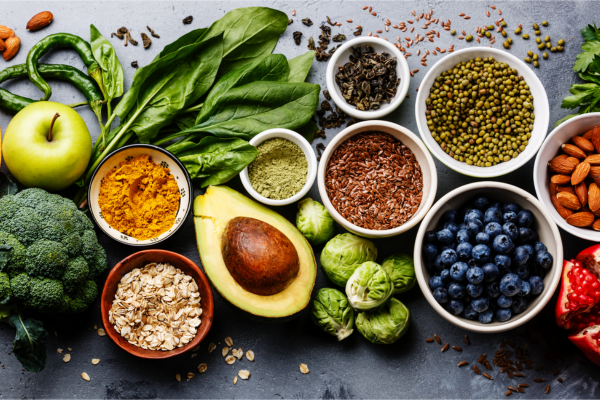
While many people focus on flushing THC through urine, up to 65% of THC metabolites exit the body through feces. Eating a fiber-rich diet can enhance this process by speeding up gastrointestinal transit and binding toxins in the digestive tract.
Top detox-friendly foods:
- Leafy greens
- Oats and whole grains
- Beans and legumes
- Flaxseed and chia
- Cruciferous vegetables (broccoli, kale, cabbage)
Combine this with hydration to support kidney and bowel function during detox.
7. Synthetic Urine Substitution
Best for: Heavy users who cannot detox in time and are taking a supervised urine test.
Synthetic urine products mimic the chemical composition of real human urine—including pH, creatinine levels, and specific gravity. They are often used by heavy cannabis consumers who can’t detox naturally or with products in time.
Cautions and considerations:
- Must be heated to body temperature (around 98–100°F)
- Some testing centers supervise sample collection
- Labs check for synthetic markers, so quality is critical
Which THC Detox Method Is Right for You?
| Time Until Test | User Level | Recommended Detox |
| 3–6 weeks | Light to heavy | Natural detox with diet + exercise |
| 5–10 days | Moderate | Multi-day detox kit (e.g. Toxin Rid) |
| 1–3 days | Casual/moderate | Same-day detox drink |
| < 24 hours | Emergency | Same-day cleanser or synthetic urine |
| Ongoing | Heavy user | Long-term detox + lifestyle changes |
Final Thoughts on THC Detox
Choosing the right marijuana detox method depends on your testing timeline, body type, and consumption habits. While natural detox is the safest and most sustainable route, quality detox products can help you speed up the process or pass a test on short notice.
No matter which approach you choose, always confirm your status with a reliable at-home THC drug test before the real one. And remember—prevention is the best method. If you’re job hunting or facing legal testing, consider pausing cannabis use altogether until you’re in the clear.
How to Pass a Urine Drug Test
Since urinalysis is the most common drug test, here’s how to increase your odds of passing:
Hydration
Hydration plays a vital role in flushing THC metabolites from your system, especially when preparing for a urine drug test, which is the most commonly administered type of marijuana screening. While drinking water alone won’t magically cleanse your body of THC overnight, it supports your kidneys and liver—your body’s natural detoxification powerhouses—and helps move THC-COOH out through urine and sweat.
Let’s break down why water is so important for detox and how to use it properly for maximum effect.
Why Staying Hydrated Helps Detox THC
THC is metabolized in the liver and broken down into water-soluble byproducts like 11-nor-9-carboxy-THC (THC-COOH), which are then excreted through urine, feces, and sweat. Drinking water helps in two primary ways:
- Increases Urine Output – More fluid means more urination, which helps excrete metabolized THC.
- Supports Kidney Function – Well-hydrated kidneys filter blood more efficiently, assisting in toxin removal.
Hydration also aids in overall body function—including digestion, circulation, and cellular detox—making it a critical factor in any THC detox plan.
How Much Water Should You Drink to Flush THC?
There’s a fine line between strategic hydration and overhydration, which can dilute your urine too much and potentially raise red flags in a drug screening.
Here’s a safe and effective hydration schedule for cannabis detox:
- Daily Intake: Aim for 8–10 cups (64–80 ounces) of water per day during the detox period.
- Day Before Your Test: Increase to 2–3 liters spaced throughout the day.
- Day of the Test: Drink 1–2 liters several hours before the test—but not all at once.
Important: Never drink excessive amounts (e.g., gallons) in a short period. Overhydration can lead to hyponatremia, a potentially dangerous drop in sodium levels. More isn’t always better—timing and balance are key.
How to Hydrate Smarter During a Detox
To ensure your urine doesn’t appear suspiciously diluted (which labs flag), pair water intake with the following:
- Vitamin B Complex: Take 50–100 mg of vitamin B-2 or B-12 2–4 hours before your test to restore natural urine color.
- Creatine Monohydrate: Add 3–5 grams of creatine a day prior to and the morning of your test. This helps maintain normal creatinine levels, which labs use to detect dilution.
- Electrolyte-Rich Drinks: Use coconut water, Pedialyte, or sports drinks to replenish lost minerals and support hydration balance.
Tip: If you’re using a same-day detox drink, follow the manufacturer’s hydration instructions precisely. These drinks already include creatine and vitamin B, so extra water should be consumed exactly as recommended.
Water Alone Won’t “Flush” Weed from Your System
While staying hydrated is essential, water is not a silver bullet. THC is stored in fat cells, and simply drinking water won’t dissolve or release it. That’s why hydration works best when combined with other detox strategies, such as:
- Abstinence from cannabis
- Clean eating
- Exercise (when timed properly)
- Detox supplements
If you’re close to your test date and relying on hydration as part of a dilution strategy, be sure to verify your results with a home THC test kit beforehand.
Summary: Hydration Tips for Cannabis Detox
| Do | Don’t |
| Drink 2–3 liters of water the day before your test | Drink excessive water rapidly |
| Sip 1–2 liters the day of your test | Skip creatine or vitamin B if diluting urine |
| Combine water with a clean diet and rest | Rely solely on water to detox THC |
| Use electrolyte-rich drinks if sweating | Submit clear urine without testing at home |
Vitamin B
Take 50–100mg of B-2 or B-12 a few hours before your test to give your urine a natural yellow color. Vitamin B, particularly B-2 (riboflavin) and B-12, plays a key role in THC detox when diluting urine for a drug test. It helps restore the natural yellow color of urine, which may appear clear after heavy hydration—preventing suspicion of sample tampering during lab analysis. Always take several hours before testing.
Creatinine
Use creatine supplements 24 hours before your test to normalize creatinine levels, which labs check to detect dilution. Creatine is a compound naturally found in muscle tissue that breaks down into creatinine, a key marker labs use to detect urine dilution. During a THC detox, taking creatine supplements ensures your urine maintains normal creatinine levels, helping you avoid red flags during drug testing—especially when hydrating heavily before a test.
Detox Drinks
While expensive, detox drinks contain the ideal blend of creatine and vitamin B to make your urine sample appear natural.
Avoid Exercise Pre-Test
Exercise increases THC release from fat cells. Avoid physical activity 24 hours before your test.
Use Mid-Stream Urine
Start urinating in the toilet, then collect the midstream in the test cup. The beginning and end of your stream contain higher metabolite concentrations.
Synthetic Urine: A Last-Resort Option
If you’re a heavy consumer and detox hasn’t worked, synthetic urine (e.g., from TestClear) might be your best bet. Make sure the sample is body temperature (~98–100°F), and use a hand warmer or heating pad to keep it warm.
Blood, Hair, and Saliva Test Strategies
Below we’ll go over strategies that can help you to pass blood, hair and saliva tests.
Blood Test Tips
- Abstain from THC for as long as possible.
- Eat a clean diet, hydrate, and avoid toxins.
- No quick fix exists—time is your best friend here.
Hair Follicle Test Tips
- Use detox shampoos like Toxin Rid by TestClear.
- Avoid shaving your entire body, as this may raise red flags.
Saliva Test Tips
- Abstain for 24–72 hours.
- Use antiseptic mouthwash or hydrogen peroxide shortly before your test.
- Swish water frequently and maintain good oral hygiene.
Natural Detox Tips to Flush THC from Your System
Trying to detox without products? Here’s a holistic approach:
- Abstain: Stop consuming cannabis ASAP.
- Exercise regularly: Focus on fat-burning cardio and strength training.
- Stay hydrated: Drink 6–8 glasses of water daily.
- Eat clean: Avoid red meat and junk food. Opt for lean proteins, fruits, veggies, and whole grains.
- Drink herbal teas: Green, black, and jasmine tea help flush toxins.
- Add lemon juice: It supports liver function and detoxification.
Final Thoughts: Be Smart, Be Safe
If you’re facing a drug test after cannabis use, it’s normal to feel anxious. The good news is there are multiple ways to increase your chances of passing. Whether you’re planning ahead or scrambling last-minute, a combination of abstinence, detox practices, and smart preparation can help you get the result you need.
Always confirm with a home drug test before the real thing—and if you’re not sure what to use, TestClear has a wide range of trusted detox products and informational guides.
Good luck! Stay safe, stay smart—and let us know how your detox journey goes!