
Ask any experienced cannabis grower about the difference between indica and sativa plants, and they’ll likely tell you that most modern strains are hybrids. While this is true, many strains still lean toward either indica or sativa characteristics, and understanding their differences is crucial for first-time growers.
In this guide, we’ll explore the history of indica and sativa plants, their differences, and how to optimize growing conditions for each type.
A Brief History of Indica vs. Sativa Plants
Cannabis has been cultivated for over 12,000 years, spreading globally and adapting to various climates and human needs. As cannabis evolved, distinct characteristics emerged:
- Sativa Plants: Native to tropical regions like Thailand, Mexico, and South Africa, sativas grew tall and spindly with narrow leaves to thrive in hot, humid conditions. Their longer flowering time matched the extended daylight of their native regions.
- Indica Plants: Found in the drier, colder, mountainous regions of India, Nepal, and Northern China, indicas evolved to grow shorter and bushier with broad leaves. They developed dense buds to conserve moisture and had a shorter flowering cycle to adapt to shorter summers.
Indica vs. Sativa: Key Physical Differences
There are several key differences between indica and sativa plants. Below, we’ll explore some of the most common aspects that set the two apart:
Leaves
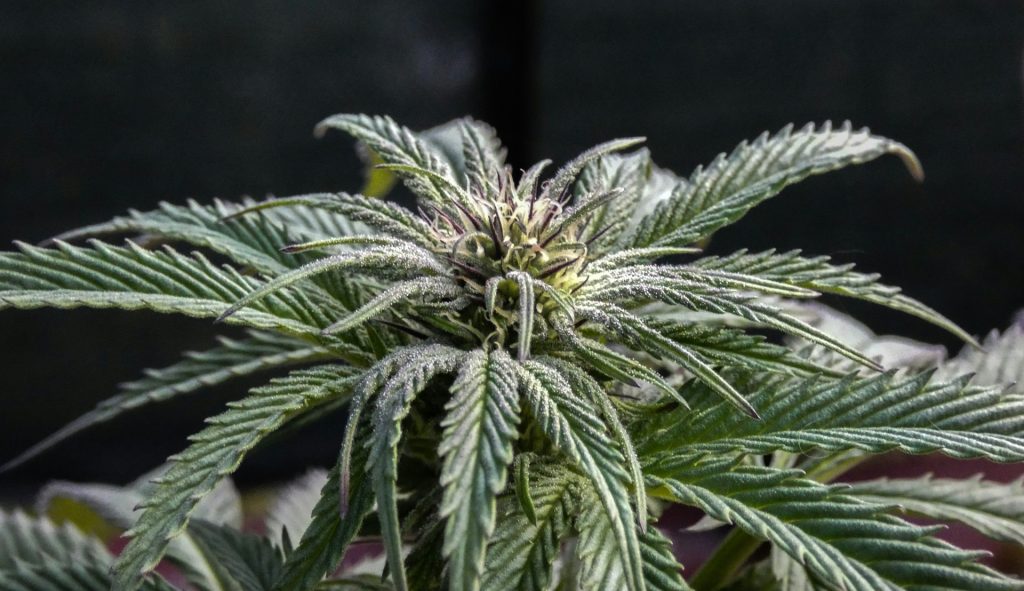
- Indica: Wide, broad leaves with a classic “pot leaf” appearance.
- Sativa: Long, thin leaves with slender blades.
Buds
- Indica: Compact, dense, and resinous.
- Sativa: Airy, longer, and thinner.
Growing Sativa Plants
Sativa-leaning plants require conditions similar to their tropical origins. They’re less forgiving than indicas, making them a challenge for beginners.
Size
Sativas grow tall and spindly, often doubling or tripling in height during the flowering stage.
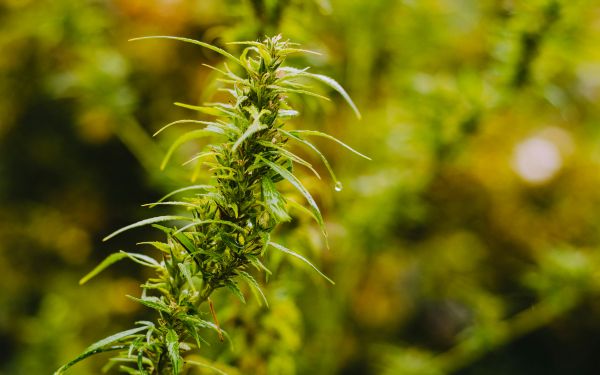
Use large pots (5-10 gallons) to accommodate their extensive root systems.
Environment
- Light: Sativas thrive under high light intensity with a 12/12 lighting schedule during flowering.
- Temperature: Maintain temperatures around 85°F with 55-65% relative humidity (RH).
- Space: Ensure plenty of vertical space and avoid overcrowding.
Feeding
Sativas prefer light feeding schedules. Over-fertilization can impact terpene production, so err on the side of caution.
Flowering
Sativas take 10-12 weeks to flower. Reducing light exposure to 8 hours during the final weeks can speed up ripening. Expect the buds to shrink slightly after curing.
Growing Indica Plants
Indica-leaning plants are hardier and more compact, making them ideal for indoor grows and beginner cultivators.
Size
Indicas grow shorter and bushier. Use a 5-gallon pot and train the plant to grow upward to improve airflow and prevent mold.
Environment
- Humidity: Keep RH at 50% during vegetative growth and below 40% in the final weeks.
- Temperature: Indicas thrive at cooler temperatures, ideally around 77°F, with nighttime drops of 6-9°F.
- Airflow: Ensure good ventilation to avoid bud rot.
Feeding
Indicas require more nutrients but are sensitive to overwatering. Water every 2-3 days or when the top inch of soil feels dry.
Flowering
Indicas flower quickly, typically in 8 weeks. Their dense buds benefit from indirect, less intense light.
Conclusion
While most strains today are hybrids, understanding the general growing requirements of indica and sativa plants can help new growers succeed. Pay attention to your plants’ responses to changes and adjust your care routine accordingly. With practice, you’ll refine your techniques and maximize your harvest.
Frequently Asked Questions
Is Indica Easier to Grow Than Sativa?
Yes, indica-leaning plants are easier to grow due to their shorter flowering time, hardier nature, and compact size.
How Can You Tell the Difference Between Indica and Sativa Buds?
Indica buds are dense and resinous, while sativa buds are lighter, airier, and longer.
Does Sativa Grow Tall?
Yes, sativas are known for their height and can reach up to 20 feet outdoors.
Do Different Strains Grow Differently?
Yes. Each strain’s genetics, whether indica- or sativa-leaning, influence its growth cycle, environmental needs, and physical characteristics.
How Do You Identify Sativa?
Sativa plants are taller, spindlier, and have thin leaves. Their buds are lighter and tend to grow along the branches in a foxtail pattern.
What Is the Difference Between Indica, Sativa, and Hybrid Buds?
Indica buds are compact, sativa buds are airy and long, and hybrid buds combine traits of both.