
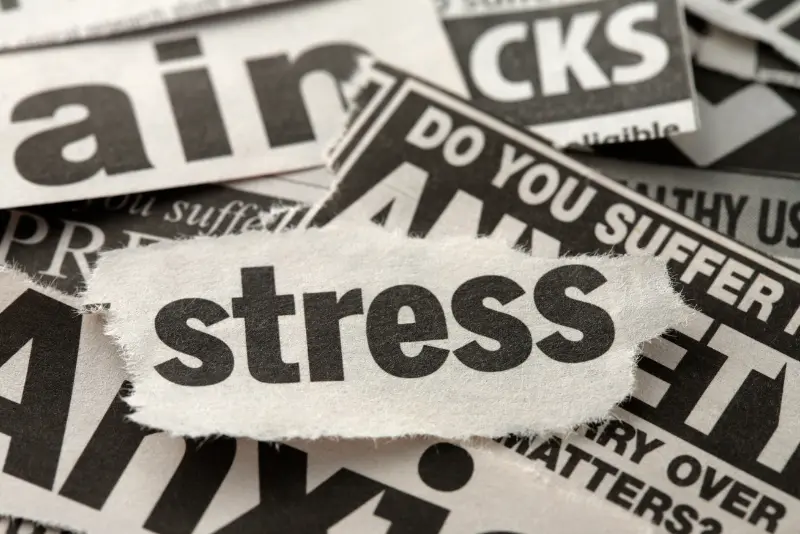
Life delivers its fair share of curveballs, and feeling stressed is a universal experience. Whether it’s the daily grind, unexpected challenges, or simply the hum of modern life, your body’s stress response is constantly at work. For many, the growing conversation around cannabis and its potential role in navigating these turbulent waters is a beacon of curiosity. You’ve heard whispers, perhaps experienced firsthand moments of calm, or wondered how this plant truly interacts with your inner workings.
Introduction
This isn’t about simply consuming cannabis and hoping for the best. This is about understanding the fascinating science behind how cannabinoids—the active compounds in cannabis—dance with your body’s own systems to modulate your stress hormones. Consider this your friendly, expert guide to demystifying the complex biology, offering insights that empower you to approach cannabis with intention. Prepare to discover how unlocking this knowledge can lead to a more balanced, centered feeling in your everyday life.
Understanding Your Inner Zen Master: The Endocannabinoid System and Stress
Imagine your body as a finely tuned orchestra, always striving for harmony. When stress hits, it’s like an alarm bell ringing throughout the entire ensemble. Your natural stress response, often called the “fight-or-flight” system, kicks into high gear. Hormones like cortisol and adrenaline flood your system, priming you for action. This is a crucial survival mechanism, but when it’s constantly activated, that harmony can turn into a cacophony, leaving you feeling overwhelmed, restless, or anxious.
But your body also possesses an incredible, intrinsic system dedicated to restoring balance: the Endocannabinoid System (ECS). Think of the ECS as your internal maestro, a master regulator gently guiding the orchestra back to equilibrium. It’s a vast network of receptors, endocannabinoids (your body’s own cannabis-like molecules), and enzymes that influence nearly every physiological process imaginable. From mood and sleep cycles to appetite, immune function, and—most importantly for our discussion—stress response, the ECS is constantly working to maintain homeostasis.
Understanding this elegant system is absolutely vital because it serves as the primary gateway through which external cannabinoids, those found in the cannabis plant, exert their effects. When you engage with cannabis, you’re not just introducing a compound; you’re engaging with your body’s own sophisticated balancing act. You’re exploring how to potentially support your inner maestro in bringing about that much-needed sense of internal calm and balance.
The Science Unlocked: How Cannabinoids Influence Your Stress Response
Now for the truly captivating part: the intricate ballet between the compounds in the cannabis plant—known as phytocannabinoids—and your body’s remarkable ECS. When stress activates those “fight-or-flight” pathways, your ECS naturally attempts to dial down the intensity, acting like a dimmer switch for your internal alarm. Cannabinoids from the plant can significantly influence this process.
Consider THC (tetrahydrocannabinol), the cannabinoid famously associated with cannabis’s intoxicating effects. THC primarily interacts with CB1 receptors, which are abundant in brain regions linked to stress and emotion. At lower doses, THC has been observed to potentially modulate stress responses, perhaps by reducing activity in the amygdala, your brain’s fear center. However, the delicate nature of this interaction means that higher doses can sometimes have the opposite effect, potentially increasing feelings of anxiety or paranoia for some individuals. It’s a prime example of how the dose truly makes the medicine.
Then there’s CBD (cannabidiol), a cannabinoid that doesn’t produce intoxication but has garnered immense attention for its therapeutic potential. CBD’s influence on stress is less direct but no less powerful. It doesn’t bind strongly to CB1 or CB2 receptors like THC. Instead, it’s thought to work in various ways: by potentially increasing levels of your body’s own endocannabinoids, like anandamide (often called the “bliss molecule”), or by interacting with serotonin receptors, which play a crucial role in mood regulation. This multi-faceted approach makes CBD a fascinating subject in the quest for stress relief.
But the story doesn’t end with just THC and CBD. Cannabis is a complex plant, home to hundreds of compounds, including aromatic molecules called terpenes. Think of terpenes as the essential oils of cannabis, giving each strain its unique scent—from the zesty citrus notes of limonene to the earthy calm of myrcene, or the floral tranquility of linalool. Recent research suggests these terpenes aren’t just for smell; they can also interact with cannabinoids and your ECS, potentially enhancing or modifying how these compounds affect your stress pathways. This synergistic interaction, often referred to as the “entourage effect,” means that the whole plant might be greater than the sum of its parts. To dive deeper into the powerful synergy of these compounds, check out our guide to full-spectrum concentrates!
The scientific community is constantly uncovering new layers of this interaction. We’re seeing exciting research exploring how cannabinoids might influence the HPA axis (hypothalamic-pituitary-adrenal axis), your body’s central stress response system, and how they could potentially lead to adaptations that improve your resilience to stress over time. These discoveries are changing our perspective, moving us beyond simple notions to a sophisticated understanding of how cannabis can act as a profound modulator of your inner chemical landscape.
Mindful Consumption: Avoiding Missteps and Maximizing Benefits
Armed with this knowledge, you are better equipped to navigate the world of cannabis for stress management. One of the most common misconceptions is believing that any cannabis will automatically reduce stress. The reality is far more nuanced. Dose, the specific cannabinoid ratios (like THC:CBD), and your unique individual biochemistry all play a significant role in how cannabis impacts your stress response.
Consider the delicate dance of dosage. While a small amount of THC might help some individuals relax, a slightly larger amount could trigger anxiety or paranoia. It’s not about consuming as much as possible; it’s about finding your personal “sweet spot”—that precise amount that offers relief without undesirable side effects. Pushing past this threshold can turn a potentially calming experience into a distressing one.
This brings us to a crucial point: your personal stress strategy with cannabis should be exactly that—personal and experimental. The experience of many users reveals that simply consuming cannabis is vastly different from a targeted approach. Moving beyond basic consumption to understanding specific profiles and doses can unlock profound benefits for stress modulation. Begin with a very low dose, especially if you are new to cannabis or trying a new product. Observe how your body and mind respond. Pay attention to the cannabinoid and terpene profiles listed on products, as these provide clues about potential effects. Different strains and products will offer different experiences, and discovering what works best for your unique physiology is part of the journey.
Remember, too, that while cannabis can be a powerful tool for managing stress, it is not a standalone solution. It’s most effective when integrated into a broader wellness strategy that includes healthy habits like exercise, balanced nutrition, sufficient sleep, and other stress-reducing practices. Think of cannabis as a supportive ally, helping you achieve a state where you can better engage with other elements of a healthy lifestyle.
Quick Hits Q&A
- Q: Does all cannabis help with stress?
- A: Not necessarily. Its effect depends heavily on your individual physiology, the specific cannabinoid and terpene profile of the product, and, critically, the dose you consume.
- Q: Is CBD always better than THC for stress relief?
- A: While CBD is often favored for its non-intoxicating nature and general calming effects, some individuals find specific THC ratios, especially in microdoses, to be beneficial for their unique stress profile. It’s truly about discovering what resonates best with your body.
- Q: How quickly do cannabinoids affect stress hormones?
- A: The onset varies by consumption method (e.g., inhalation versus edibles), but the interaction with your ECS is generally quite immediate. Perceived stress levels often begin to shift shortly after the cannabinoids enter your system.
- Q: Can cannabis ever increase stress?
- A: Yes, it can. Particularly with high doses of THC, especially in individuals who are sensitive to its effects or prone to anxiety. Mindful consumption and careful dosing are key to avoiding this outcome.
Conclusion & Final Thoughts
Navigating the complexities of stress is a fundamental part of the human experience, and cannabis offers a fascinating avenue for exploration. By understanding the intricate dance between cannabinoids and your body’s stress hormones—a dance orchestrated by your incredible Endocannabinoid System—you gain the power to make truly informed choices for your well-being. This isn’t just about feeling good; it’s about fostering a deeper connection with your body’s innate wisdom and supporting its natural drive toward balance.
The journey of discovery is ongoing, both for science and for you personally. The potential for cannabis to support a more balanced, less stressed life is immense when approached with knowledge, intention, and an open mind. Keep learning, keep exploring, and keep tuning into what your body tells you. Ready to fine-tune your approach? Explore our guide on growing Indica vs Sativa next!